Students Raise Concerns Over Study Space Access at Rutgers-Camden
Read Time:2 Minute, 51 Second
Rutgers-Camden students looking for quiet places to work may find fewer options later in the evening, as some study areas close earlier than campus buildings. The issue affects students who commute, work jobs, or spend long stretches on campus and rely on study space outside regular class hours.
The concern becomes more noticeable around midterms and finals, when more students are trying to find places to read, write, and prepare for exams. While some campus facilities stay open later, not all spaces offer the same level of privacy or quiet.
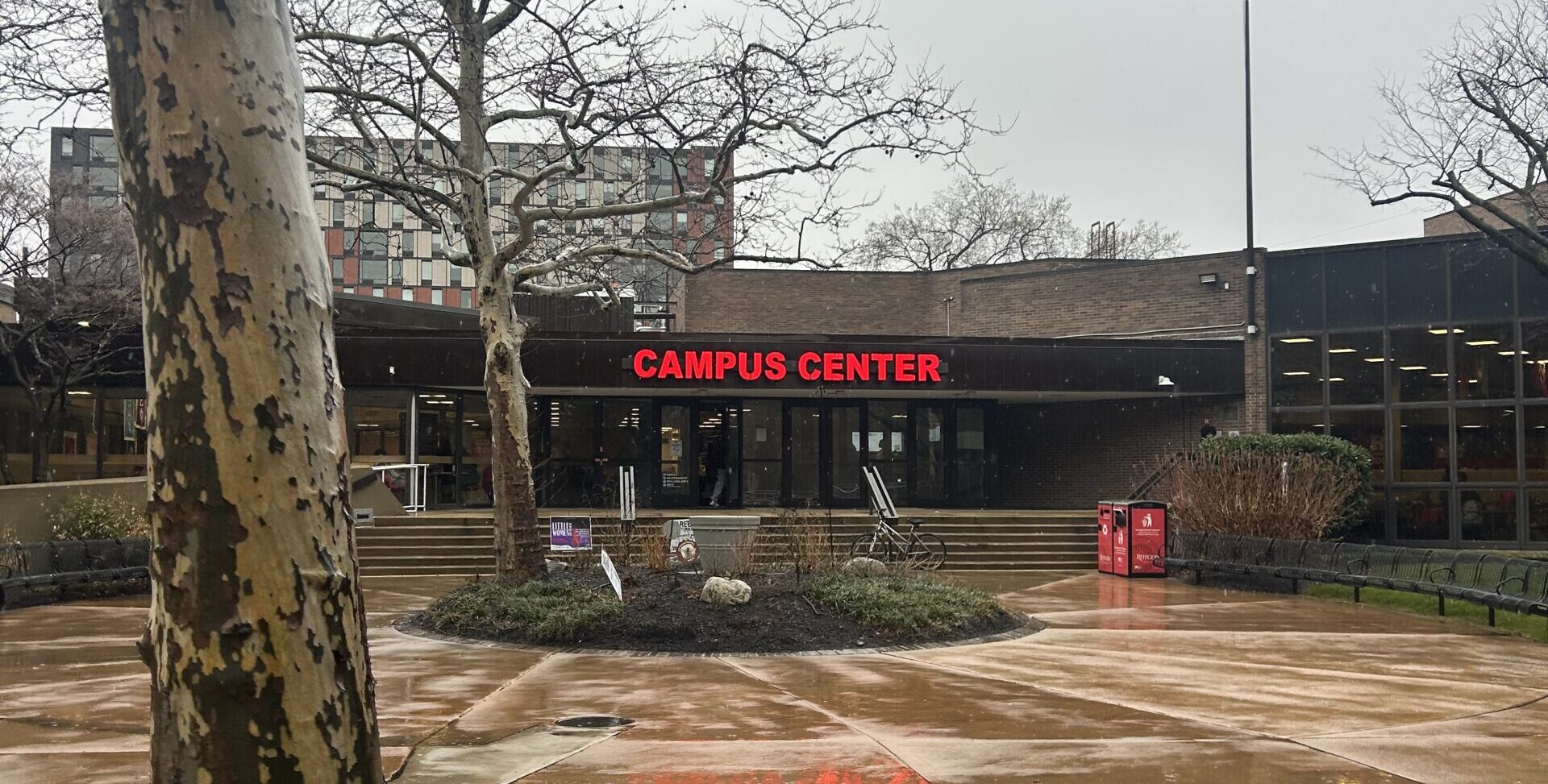
Paul Robeson Library remains open until 10 p.m. during most of the semester and the Campus Center stays open until 11 p.m.. While library hours are extended during finals week, some dedicated study spaces close earlier which can leave students with fewer quiet options as the evening goes on.
Jennifer Levy, president of the Rutgers-Camden Student Governing Association, said late-night study space has not recently been a major complaint among students: “To my knowledge, late night study spaces have not been brought up as a concern by students recently.”
Levy said the commuter makeup of Rutgers-Camden helps explain that response. Because many students leave campus after classes end, she said fewer people may be looking for study space late at night than at schools with larger residential populations.
“Given that our student population is primarily commuters, the majority of people studying late on campus are slim,” Levy said.
At the same time, Levy said the commuter nature of the campus creates a different need. Many students remain on campus between classes and may be looking less for very late-night access and more for private, functional places to study during busy daytime hours.
“That being said, it also means the availability of spaces during the day time, peak student hours, may be limited,” Levy continued.
Levy shared that student feedback has been focused more on the need for private or closed-off study areas than on extending building hours. She said commuter students in particular may benefit from spaces where they can work between classes without distractions: “Feedback heard has been to provide more private areas for students, specifically commuter students, to use in between classes.”
She pointed to possible improvements within spaces that already exist on campus. More enclosed areas in the library, she said, could help improve access, and updates to common student areas could create more secluded places for students who need quiet.
Levy also said some newer campus spaces, including The Bridge, already offer more closed-off areas. Even so, she said space remains a practical limitation.
“The biggest barrier to creating more spaces is the lack of available space within campus buildings,” Levy continued. That limitation may shape how quickly any changes can happen. In the longer term, future development projects could create opportunities for more study areas or redesigned student spaces. Levy said the Cooper Street Gateway project, expected in 2027, may eventually open the door for that kind of expansion.
For now, the discussion appears to center less on keeping campus open later and more on whether Rutgers-Camden has enough suitable study spaces when students actually need them most. On a commuter campus, that may mean rethinking how existing spaces are used during the day as much as it means looking at evening hours.

Happy
0 %

Sad
0 %

Excited
0 %

Sleepy
0 %

Angry
0 %

Surprise
0 %
 0
0
 0
0