Disability Protections in Limbo Under Trump Administration
Read Time:3 Minute, 16 Second
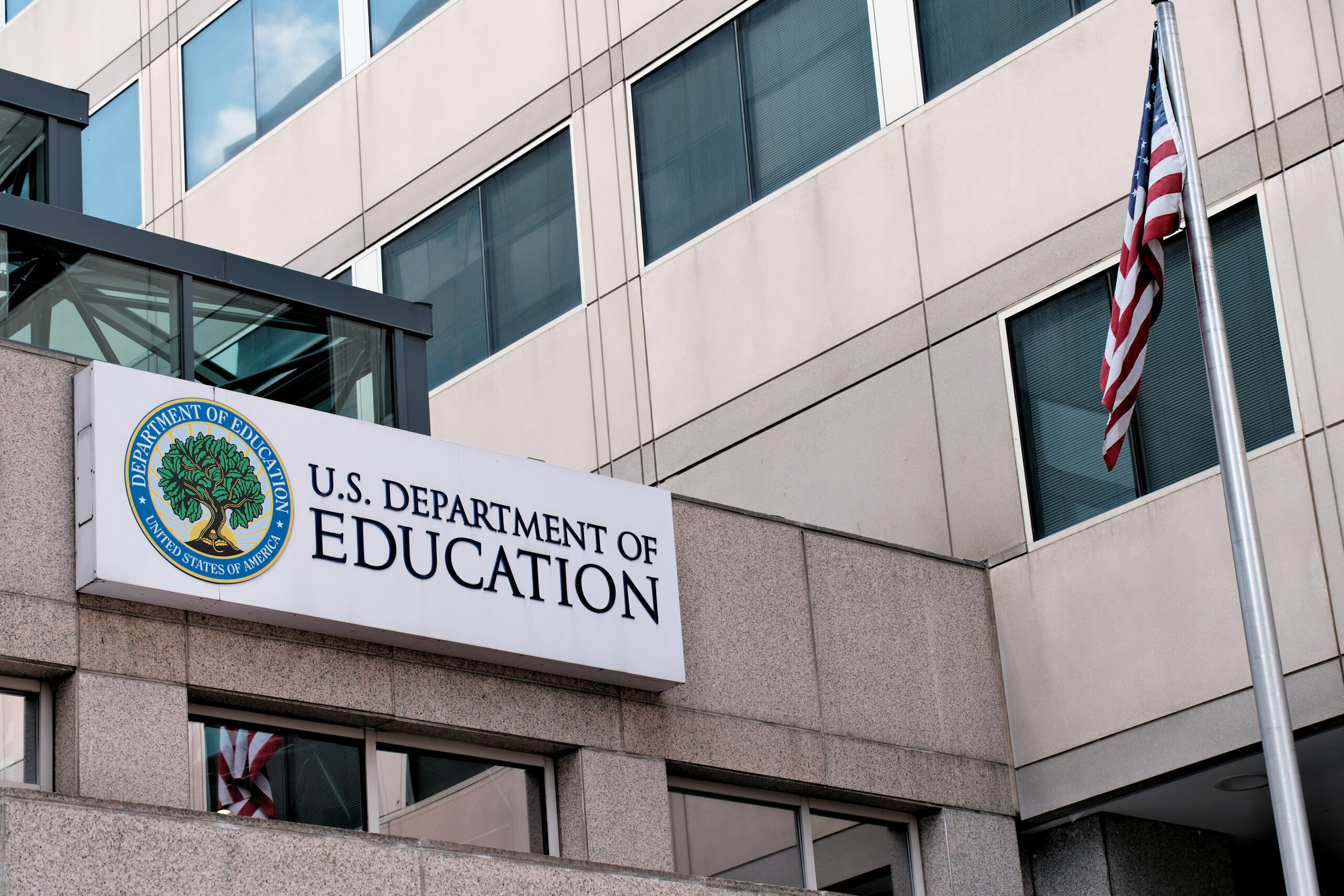
Budget cuts under the Trump administration have left several important offices with little to no staff members. One of the departments that suffered immensely under the new presidential administration is the Department of Education. According to an article from ABC News, “Officials shuttered seven of the 12 regional offices of the agency’s Office for Civil Rights, leaving a skeleton staff to investigate thousands of complaints filed each year, according to attorneys and advocates for the disabled.”
Within the Department of Education, offices that ensure protections for students with disabilities are one of many that have been on the receiving end of all of the major budget cuts that Trump and his cabinet have signed off on.
The Office of Civil Rights, or OCR, falls under the Department of Education and its purpose is to ensure equal access to education for students with disabilities across the country. Similar to the OCR, the Office of Special Education and Rehabilitative Services (OSERS), is also under the Department of Education and serves people with disabilities and their families across the United States. Since Trump took office in January of this year, both of these offices have lost nearly all of their staff members, with the exception of a few officials.
A freshman at Rutgers Camden, Dejia Robert, says in response to Trump’s budget cuts to the Education Department, “I feel like it really reflects his principles, and it shows he only cares about the rich and powerful, and he doesn’t really care about everyday people. He’s really only focused on one demographic, and he’s taking away from one demographic to support another, and in doing that he’s keeping the rich, rich. Overall, I feel that it’s wrong.” This is a sentiment that has been voiced by many across the country since Trump took office and began gutting federal departments and offices, like the Office of Civil Rights.
On a more local level, Rutgers–Camden’s Office of Disability Services is there to ensure that students on campus will always have resources to turn to for accommodations and accessibility, despite the current unease due to the political climate in the United States.
When asked about how the layoffs could affect accessibility for students moving forward, Dr. Vanessa LaFreda, a coordinator for the Office of Disability Services, says, “The first thing that comes to my mind is really trying to enforce the ADA to ensure accommodations are available to students. I know a lot of students and families really rely on the Office of Disability Services and the Office of Civil Rights, who are essentially responsible for enforcing ADA accommodations.” The Office of Disability Services, located in offices 133-135 of the Paul Robeson Library, can help students at Rutgers Camden with their accommodation needs via scheduled appointments.
When asked about any plans they may have in place for students with disabilities at Rutgers–Camden, on the off chance the campus feels the effects of these lay offs, Erin Leuthold, the director for the Office of Disability Services, remarks, “Technically the scope of our work is equal access to education, and because of the relationship with students and trust that they place in our office we help prepare them as a student, while also preparing them for what comes next, like workplace accommodations, how to advocate for yourself, and how to prepare students with as much information as possible in order to make decisions.”
Not only is the Office of Disability Services at Rutgers Camden there to help students with their needs, but their offices are also there to help prepare students with disabilities for their future.
Lastly, Dr. LaFreda adds, “While all of this is happening at the federal level, the Office of Disability Services at Rutgers Camden is actually larger than it has ever been, and we are still dedicated to student disability access.”

Happy
0 %

Sad
0 %

Excited
0 %

Sleepy
0 %

Angry
0 %

Surprise
0 %
 0
0
 0
0