AI ‘Actress’ Sparks Global Debate Over Human Artistry
Read Time:3 Minute, 27 Second
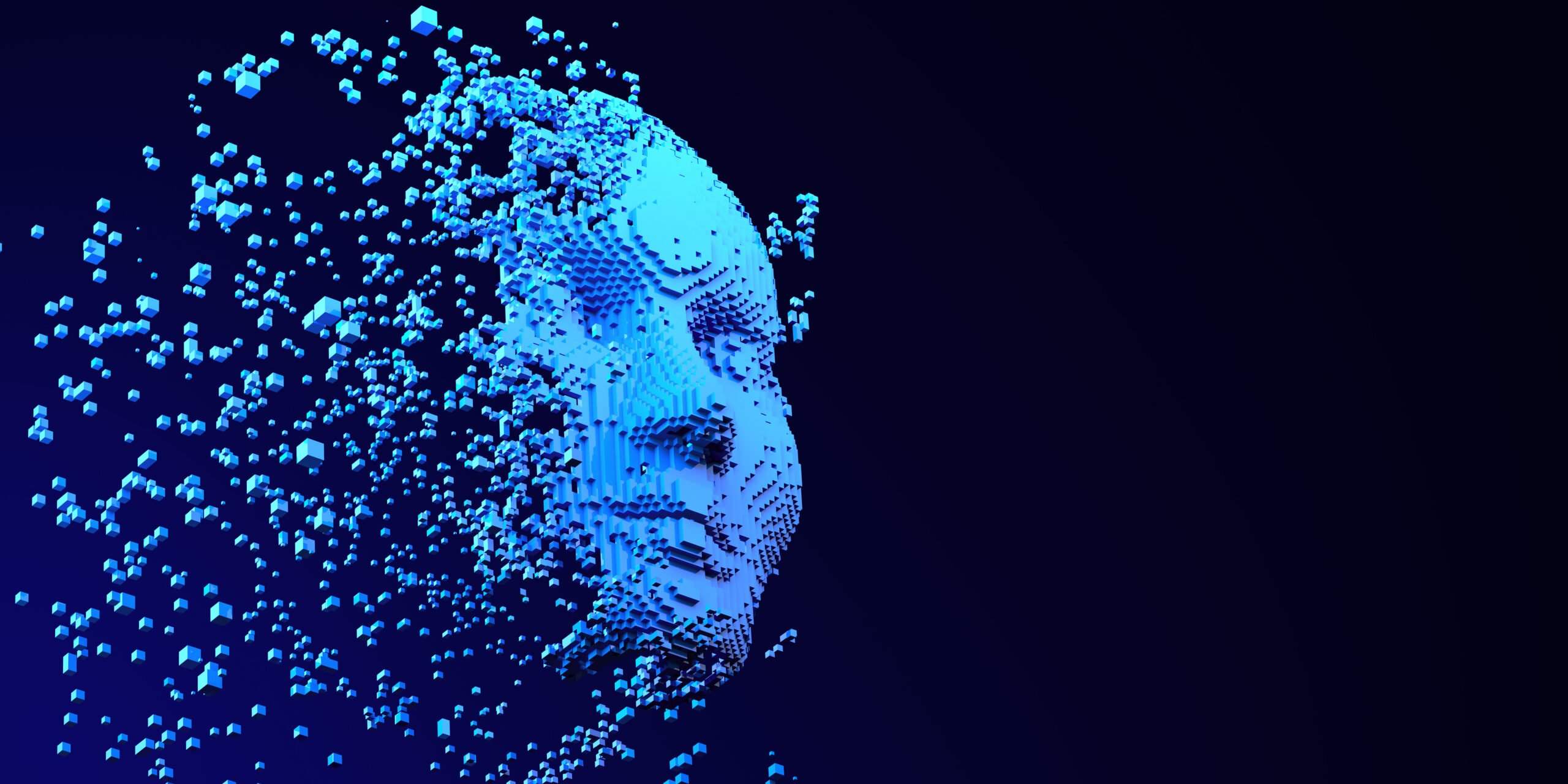
AI talent studio, Xicoia, sparked global outcry at the Zurich Film Festival this past September when they announced their newest AI-generated “actor,” Tilly Norwood, is set to be signed to a major talent agency. Tilly Norwood is a computer-generated, non-human “actor” who was developed using the likeness of real-life actors, without permission or compensation. The creator of Tilly Norwood expressed interest in making Norwood “the next Scarlett Johansson or Natalie Portman,” although there would be no need to compensate the actor, since it is a computer program and not a real human.
Norwood was met with swift criticism from major actors and actresses, as well as from the Screen Actors Guild–American Federation of Television and Radio Artists (SAG–AFTRA), who commented: “To be clear, ‘Tilly Norwood’ is not an actor, it’s a character generated by a computer program that was trained on the work of countless professional performers — without permission or compensation. It has no life experience to draw from, no emotion, and, from what we’ve seen, audiences aren’t interested in watching computer-generated content untethered from the human experience. It doesn’t solve any “problem” — it creates the problem of using stolen performances to put actors out of work, jeopardizing performer livelihoods and devaluing human artistry.”
Proponents of Tilly Norwood and other AI actors see potential in AI actors in cutting production costs, particularly a decrease in the amount studios and producers must pay human actors. However, following the negative pushback, the creators released a statement via Norwood’s Instagram account, retracting their initial message that Norwood could become a mega-star. Instead, stating that Norwood is “not a replacement for a human being, but a creative work.” As of October 19, Tilly Norwood’s Instagram account has nearly 65 thousand followers, with a bio that reads “You’ll either get it or pretend you don’t. I’m a creation. #aiart.”
With the rise of AI in the arts, what does this mean in a university context? The official Rutgers AI policy requires that “students make sure that all submitted coursework is the student’s own and created without the aid of impermissible technologies, materials, or collaborations.” Is there a future in which AI actors become permissible technologies, and how would this impact the university’s ability to evaluate performance-based projects?
In the eyes of Damon Bonetti, a Lecturer of Theater at Rutgers-Camden and the director of the fall production of The Seagull, “Theater’s not safe. I would say in the university, AI is not a concern for the work we’re doing on Seagull, but it’s a concern for the actors once they graduate. It’s a future concern. There used to be a time where regular actors would book commercials, now every other commercial has a recognizable star in it; it’s the same with theater. It becomes hard for younger actors to establish a foothold, and I think AI is not going to help with that.”
While AI usage is not yet affecting the work of the theater department in the classroom, it is affecting the work of the film department and digital media. The rise of AI usage in script writing as well as digital effects will undoubtedly seep into the classroom, as students learn to navigate the new technology at their disposal.
Robert Emmons, the Undergraduate Coordinator of the Visual, Media, and Performing Arts department at Rutgers-Camden and a filmmaker, explains, “Personally, I don’t think it’s a preventable practice. We need to figure out what this means as film goers and filmmakers…Of course, we would love to think that the essence of humanity cannot be replaced, but I honestly can’t answer that. And as film goers, we need to demonstrate that.”
As both filmgoers and filmmakers, students will have to decide their stance on AI-generated materials inside and outside the classroom. Robert Emmons, however, urges students to reflect on their own beliefs about art: “making art, I don’t think, is supposed to come as easily as writing a prompt into a computer.”

Happy
0 %

Sad
0 %

Excited
0 %

Sleepy
0 %

Angry
0 %

Surprise
0 %
 0
0
 0
0